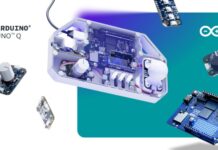
As part of the Arduino UNO Q Dream Lab Challenge hosted in partnership with DigiKey, makers and innovators were challenged to push the boundaries of what is possible with the dual-brain Arduino® UNO™ Q board and Arduino App Lab. From an incredible pool of creative submissions showcasing the board’s unique dual-brain architecture, this entry emerged as one of the top winning designs.
You likely have a local weather service that will provide you with free information about the environmental conditions in great detail. But how well can you make sense of that data? Is a value of 54 for PM2.5 good or bad? Most people only care if the values are bad enough that they should be concerned, which is why Next Builder designed Atmosis to automatically determine if that is the case.
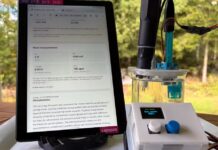
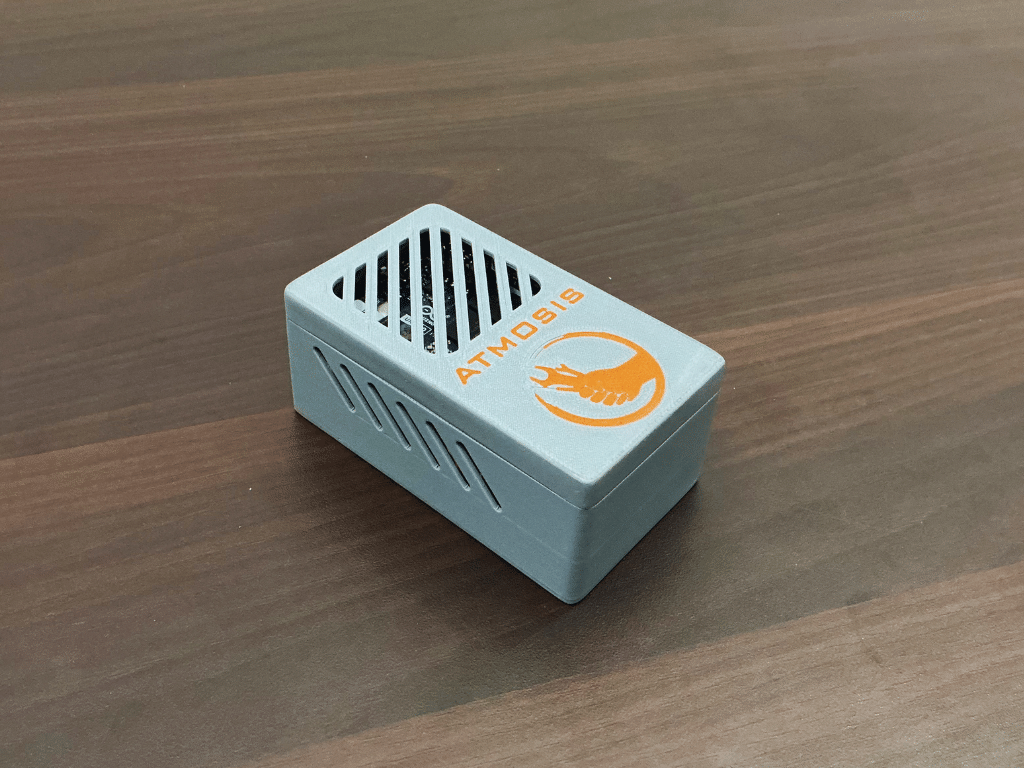
On the hardware side, Atmosis isn’t that much different than a conventional DIY environmental data monitor. It has an UNO Q, an Adafruit DPS310 sensor (barometric pressure and altitude), a Waveshare X6 sensor (various gases, temperature, humidity), a Waveshare dust sensor, and an LED strip that acts as an indicator. All of that hardware fits inside of a compact and rather fetching 3D-printed enclosure.
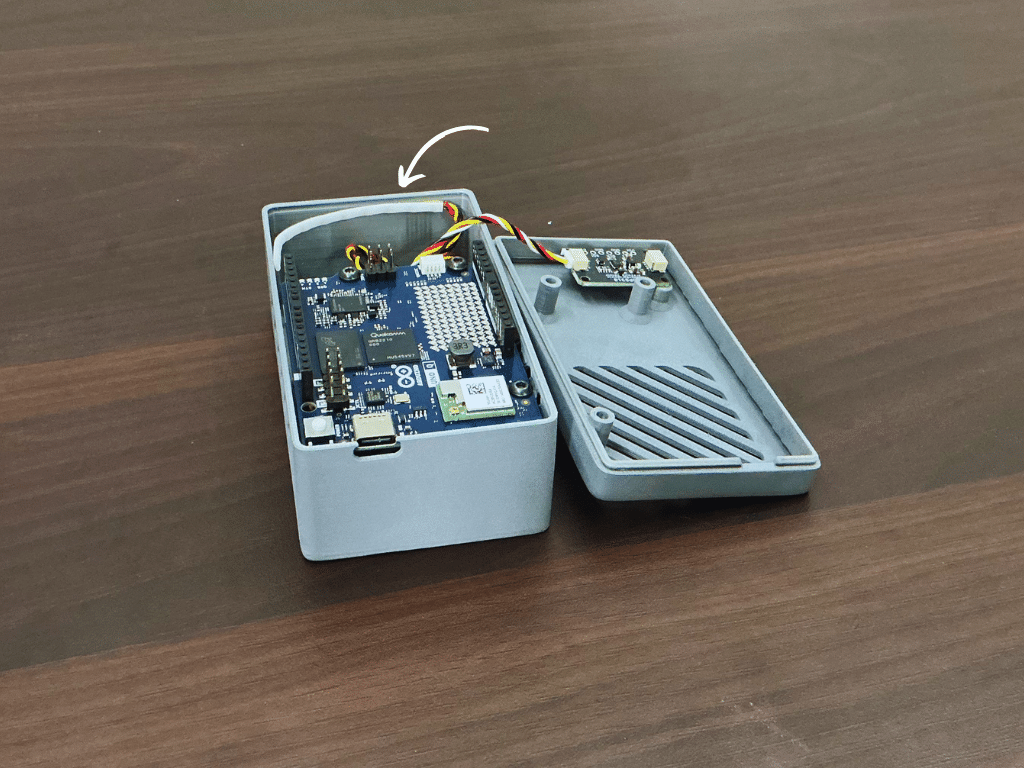
But while most environmental sensor devices like this simply tell you the sensor readings, Atmosis is built to use onboard edge AI, deployed through Edge Impulse, to automatically analyze the data. It looks at all the sensor readings and lets the user know when it identifies data that may need attention.
In most cases, that is all the user needs. But sometimes, a user might want to explore the data with more nuance or receive a more detailed evaluation. That’s why Next Builder gave Atmosis the ability to also work through Google’s Gemini LLM. That can dig into the sensor readings, look up references, and provide information in response to users’ questions.
Whether or not Gemini gets involved, the user can view the information through a web interface. They can also choose to receive updates from a Telegram bot.
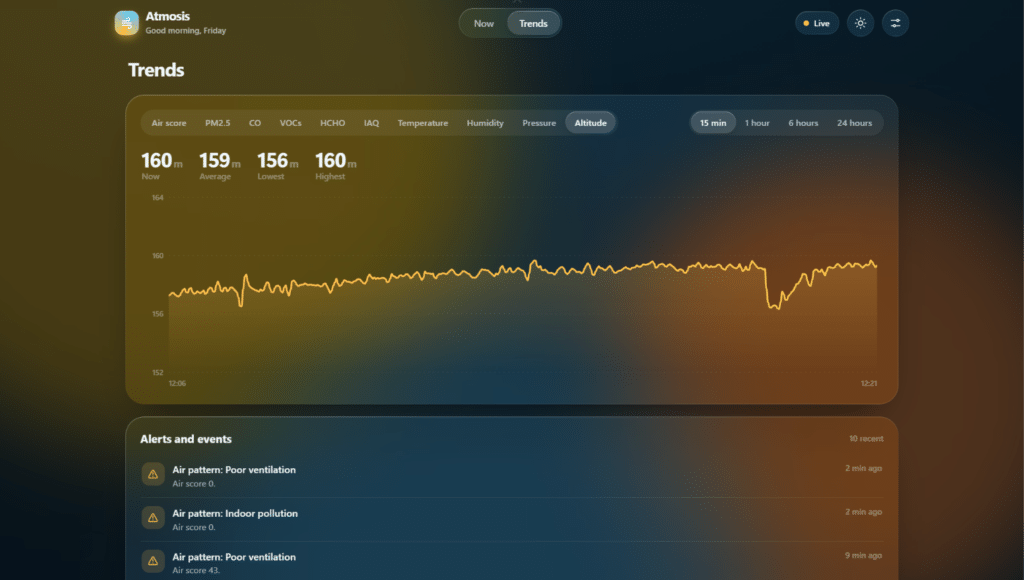
Most areas will have more comprehensive data available from local weather stations than Atmosis can provide. However, your exact location may be unique, either as a result of differing micro climates or because of localized conditions, such as dust at a worksite. In those cases, Atmosis aims to provide valuable information that is easy to digest.
Arduino, UNO, and the Arduino logo are trademarks or registered trademarks of Arduino S.r.l.